
Last updated: 27 Mar 2026 | 32 Views |

Mastering Stains & Solutions: Pro Cleaning Secrets!
Before you grab that mop or spray, let’s get to know our "enemies." Different stains require different strategies!
1. Know Your Enemy: The 3 Main Soil Types
We categorize stains based on how they can be removed:
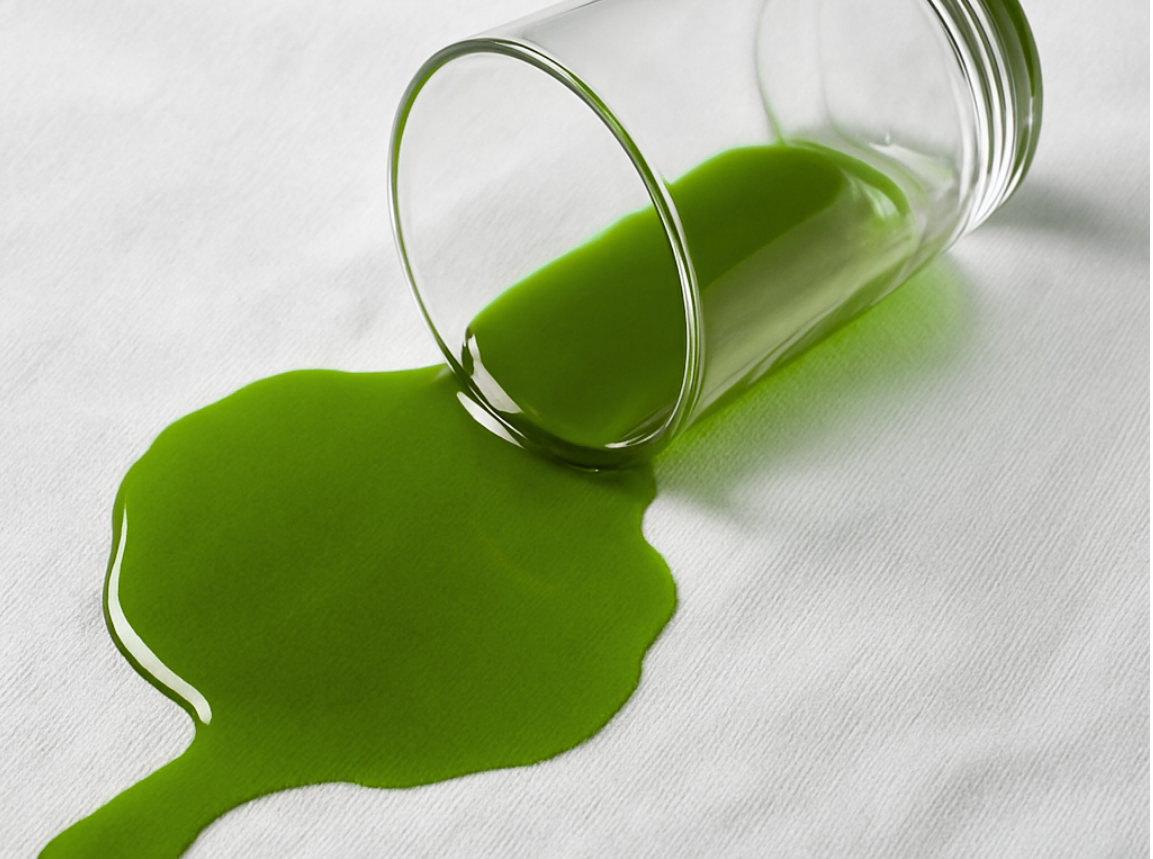
Water-Soluble Soils:Examples: Sugar, salt, fruit juice, blood, or general food spills.
How to fix: These are the easiest to clean. Standard water or a general-purpose cleaner will usually do the trick.
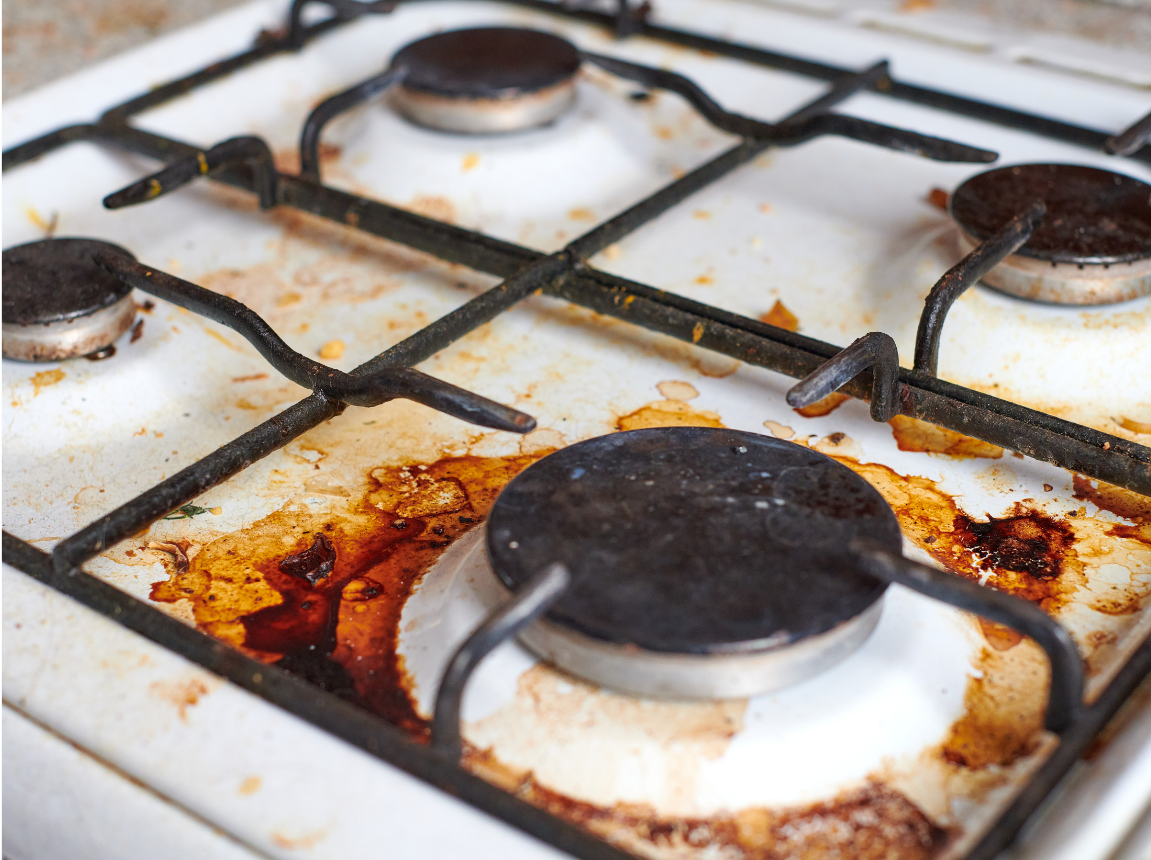
Oil-Soluble Soils:Natural Fats: Cooking oil and animal fats (these react well with alkaline cleaners).
Mineral Oils: Motor oil, grease, asphalt, or wax (these require specific solvents to break down).
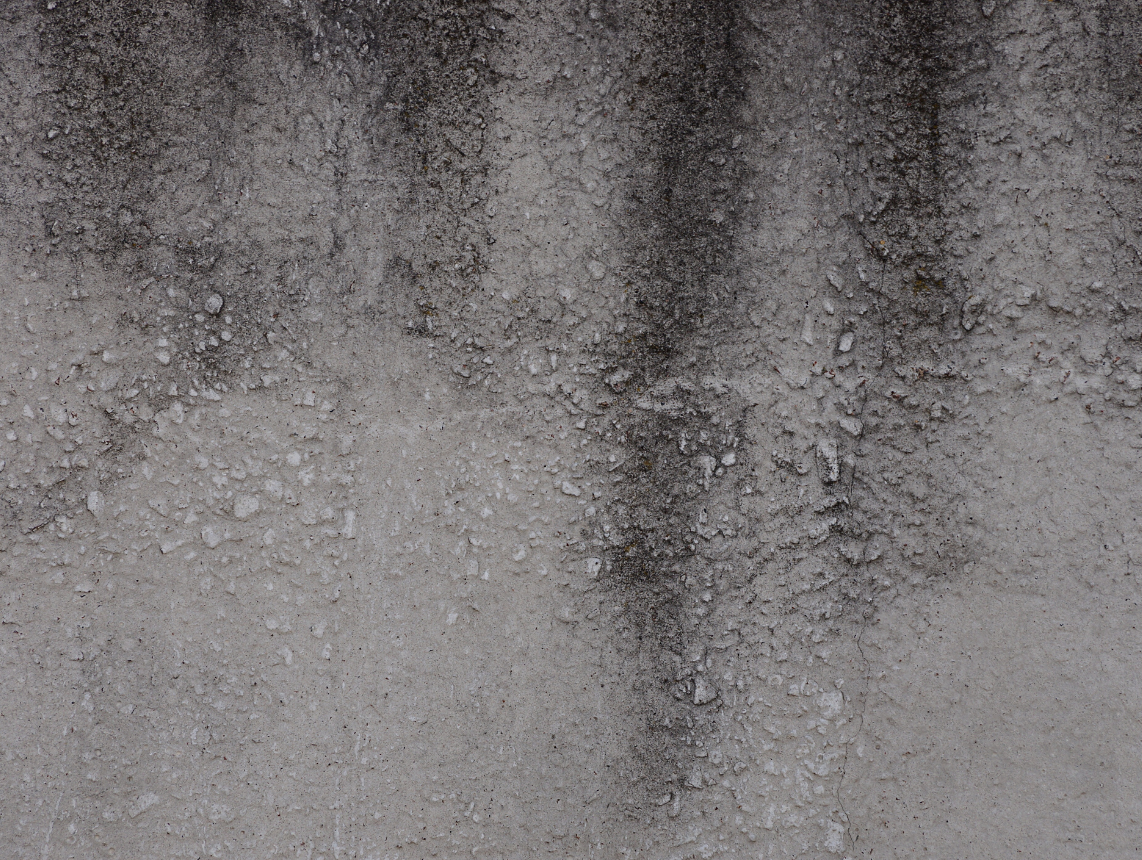
Insoluble Soils:Examples: Dust, soot, sand, and grit.
How to fix: Since they don't dissolve, these must be removed physically through vacuuming, sweeping, or wiping.
2. Choose Your Weapon: The Cleaning Agents
Once you’ve identified the stain, pick the right chemical "weapon":
• Soap: The classic choice for cutting through oil. However, it performs poorly in "hard water," often leaving behind a dull scum.
• Surfactants: The modern heroes! They reduce surface tension, allowing water to penetrate stains deeper and lift them away. They come in anionic, cationic, and non-ionic types depending on the strength needed.
• Solvents: Such as alcohol or mineral spirits. Essential for tackling heavy-duty mineral oils, grease, or tar.
• Acids: (e.g., Hydrochloric acid or Citric acid). Perfect for dissolving limescale and mineral deposits in bathrooms.
• Alkalis: (e.g., Caustic soda). Best for heavy grease in drains or burnt-on fat on stovetops.
• Water: The universal solvent. It’s the best medium to help other chemicals work efficiently.
Pro-Tip from the Admin:
"Matching the right cleaning agent to the specific type of soil doesn't just make cleaning faster—it also protects your furniture and surfaces from unnecessary damage!"


